If you've ever wondered whether a spiritual business can be both sacred and profitable, real spiritual entrepreneur examples make that answer a lot easier to trust. It's one thing to believe your work matters. It's another to see how that work gets shaped into offers, pricing, messaging, and a model that actually supports your life.
Here are a few examples of the types of people who show up in the Sacred Business Flow community so you can see what's possible when spiritual gifts get paired with structure, boundaries, and a clear path to serving people.
What spiritual entrepreneur examples really show
A lot of people assume a spiritual entrepreneur is just someone who does meaningful work. That's part of it, but not the whole picture. A spiritual entrepreneur is building a business around transformation, healing, insight, or personal growth while staying rooted in values, integrity, and inner alignment.
The business side still matters. These founders aren't only sharing wisdom. They're packaging expertise into services, building repeatable offers, setting prices, and learning to communicate value without losing the heart of the work.
And the most useful spiritual entrepreneur examples usually aren't the flashiest ones. They're the ones that show the bridge between gift and model, between calling and something you can actually sustain.
12 spiritual entrepreneur examples across service-based business
1. The intuitive business coach
This founder helps clients make strategic decisions through a mix of business mentoring and intuitive guidance. They might work with coaches, creatives, or founders who look successful on paper but feel cut off from their own direction.
What makes the model work is specificity. Instead of selling intuition in some vague way, they build the work around outcomes like clarifying an offer, tightening a launch plan, or making cleaner leadership calls. The spiritual element strengthens the method. It doesn't replace the business result.
An example of this category would be Sarah Santacroce, who runs Humane Marketing. She coaches founders through the practical work like offers, pricing, and positioning, while letting their values and timing set the pace rather than forcing a blueprint. She's a strong representation because the intuition isn't the product. It's the lens she runs the business work through.

2. The energy healer with a premium niche
An energy healer can build a real business when the work is framed around a clear client need. One healer might focus on burnout recovery for entrepreneurs. Another might work with grief, nervous system regulation, or healing after divorce.
The line between a hobby and a business often comes down to focus. When healing work is tied to a defined change, clients understand why it matters and how to say yes to it.
Donna Eden is a clear example. She turned hands-on energy work into Eden Energy Medicine, a defined system with a rigorous multi-year certification, ethical standards, and over 1,600 trained practitioners around the world. She's a strong representation because that focus and structure are exactly what moved energy healing from a gift into a real, teachable business.
3. The trauma-informed spiritual coach
This entrepreneur offers spiritual growth in a way that's grounded, ethical, and emotionally safe. Their clients might be moving through identity shifts, relationship patterns, or life transitions while wanting support that respects both nervous system realities and spiritual practice.
This category also shows how the transformational coaching market has been becoming more sophisticated over time. The most sustainable businesses often come from a clear philosophy paired with an established scope.
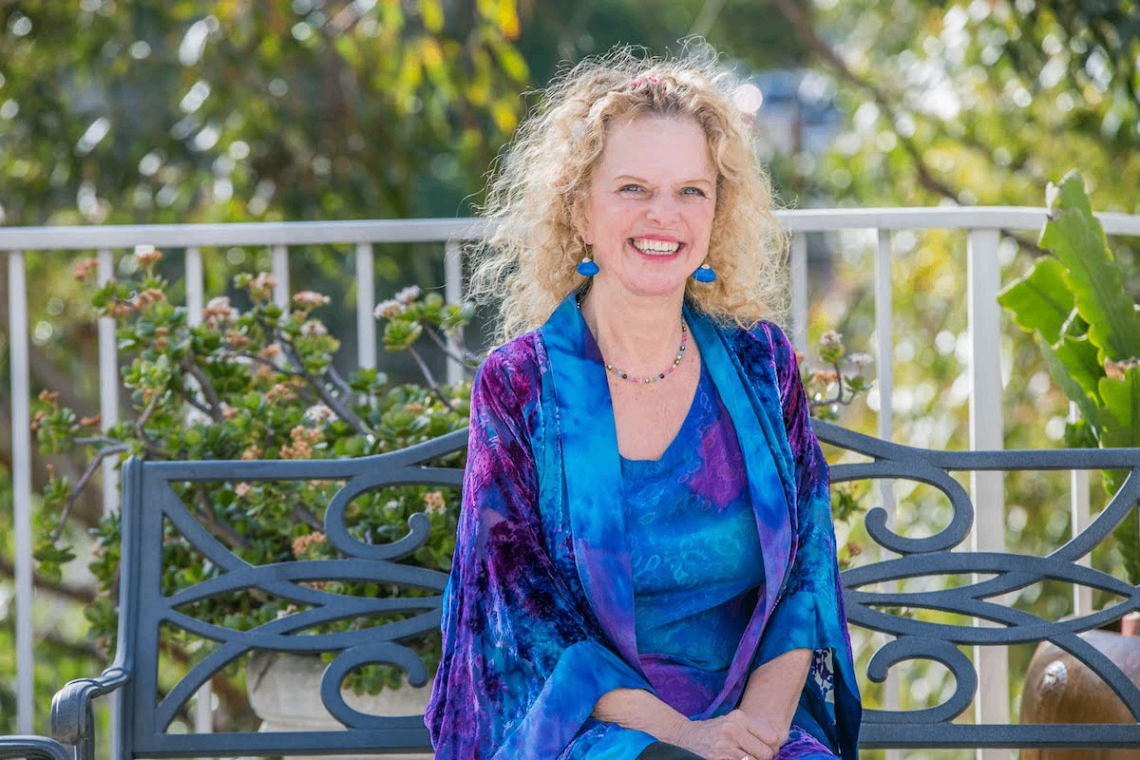
Nicole Rose is a good fit here. Her Trauma-Informed Nervous System Coaching certification is built on years of study and clinical precision, training coaches to hold real transformation with safety and regulation instead of skimming the surface. She's a strong representation because the work is grounded and honest about scope, not "love and light" that ignores the nervous system.

4. The astrologer who builds signature offers
Astrology turns into a business when it moves past one-off readings on their own. A skilled astrologer might offer business chart sessions, monthly membership support, or a decision-making intensive for founders and leaders.
This model works best when the practitioner isn't trying to be everything to everyone. An astrologer for relationships, career transitions, or entrepreneurship will usually grow more sustainably than one with no defined lane.
Chani Nicholas is the obvious one. She moved astrology well past one-off readings into the CHANI app, annual astro guides, and workshops, reaching close to 1.5 million downloads. She's a strong representation because she chose a clear lane and a defined set of offers rather than trying to read for everyone about everything.
5. The spiritual content educator
Some spiritual entrepreneurs don't lead mainly through private sessions. They teach through workshops, courses, paid communities, or group programs. Think meditation teacher, embodiment guide, breathwork educator, or someone who helps people sharpen an intuitive practice.
Education-based models can create more leverage, but they also ask for stronger positioning. Being wise isn't enough. You need a clear promise, a structured curriculum, and messaging that helps people understand what actually changes through your work.
Light Watkins fits this one. He teaches meditation through bestselling books, online courses, trainings, a podcast, and retreats rather than leaning only on private sessions. He's a strong representation because the teaching is backed by a clear promise and a structure people can actually follow, which is what education-based models need to work.

6. The wellness practitioner with a philosophy-led brand
Picture the nutritionist, yoga therapist, herbalist, or holistic health coach whose business runs on real values. The spiritual side might not sit front and center in their marketing, but it shapes how they practice, lead, and serve.
Not every spiritual entrepreneur uses openly spiritual branding. For some, the alignment shows up in the client experience, the ethics, and the methodology more than in any label.
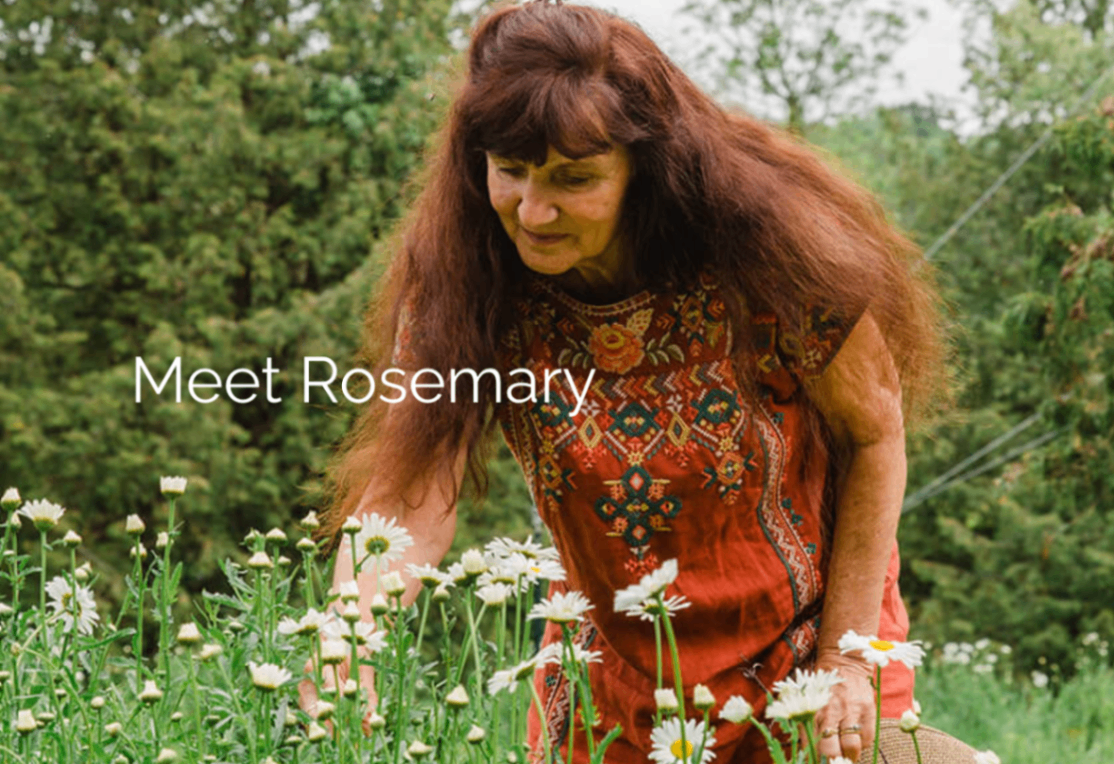
Rosemary Gladstar is a great example. Often called the godmother of modern herbalism, she built her work into the Science and Art of Herbalism home study course with thousands of students worldwide, and helped start several herb companies and conservation groups. She's a strong representation because the deeper, earth-based dimension lives in her ethics and methodology, not in overtly spiritual branding.
7. The psychic or channel with strong boundaries
This kind of business gets underestimated and over-romanticized in equal measure. Gift-based intuitive work becomes sustainable when it's held inside professional standards. Clear session formats, pricing, prep, post-session expectations, and energetic boundaries all matter.
Clients aren't only paying for insight. They're paying for a grounded, well-run experience. That's often what separates a respected practice from one that stays all over the place.
Laura Lynne Jackson is a strong example. She's a New York Times bestselling author and a scientifically tested, certified research medium whose private reading waitlist runs years long, which led her to add workshops and group teaching to reach more people. She's a strong representation because the gift is held inside real professional standards, which is what separates a respected practice from an inconsistent one.
8. The spiritual mentor for life transitions
Some entrepreneurs are pulled to support people through reinvention. They work with clients leaving careers, healing after loss, entering motherhood, waking up spiritually, or rebuilding after burnout.
This example matters because transition is a real market. People do invest in support when they're standing at a threshold. The skill is naming that threshold clearly and showing what kind of guidance you bring people through it.
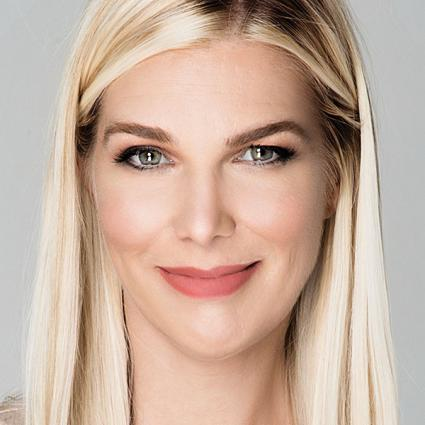
Martha Beck comes to mind here. She works with people moving through reinvention, and her Wayfinder training is built on a named Change Cycle model that helps people uncover what's holding them back and move toward their own next chapter. She's a strong representation because she named the threshold her clients are standing at and built clear guidance to walk them through it.
9. The retreat leader
Retreats can be gorgeous expressions of spiritual entrepreneurship, and they're not simple. A retreat leader is running a transformational experience and a logistics-heavy business model at the same time.
This path can be profitable, though the margins ride on pricing, venue costs, travel variables, and audience trust. It works best for founders who already have a warm community or a defined niche, not for someone hoping a retreat will create demand out of nothing.
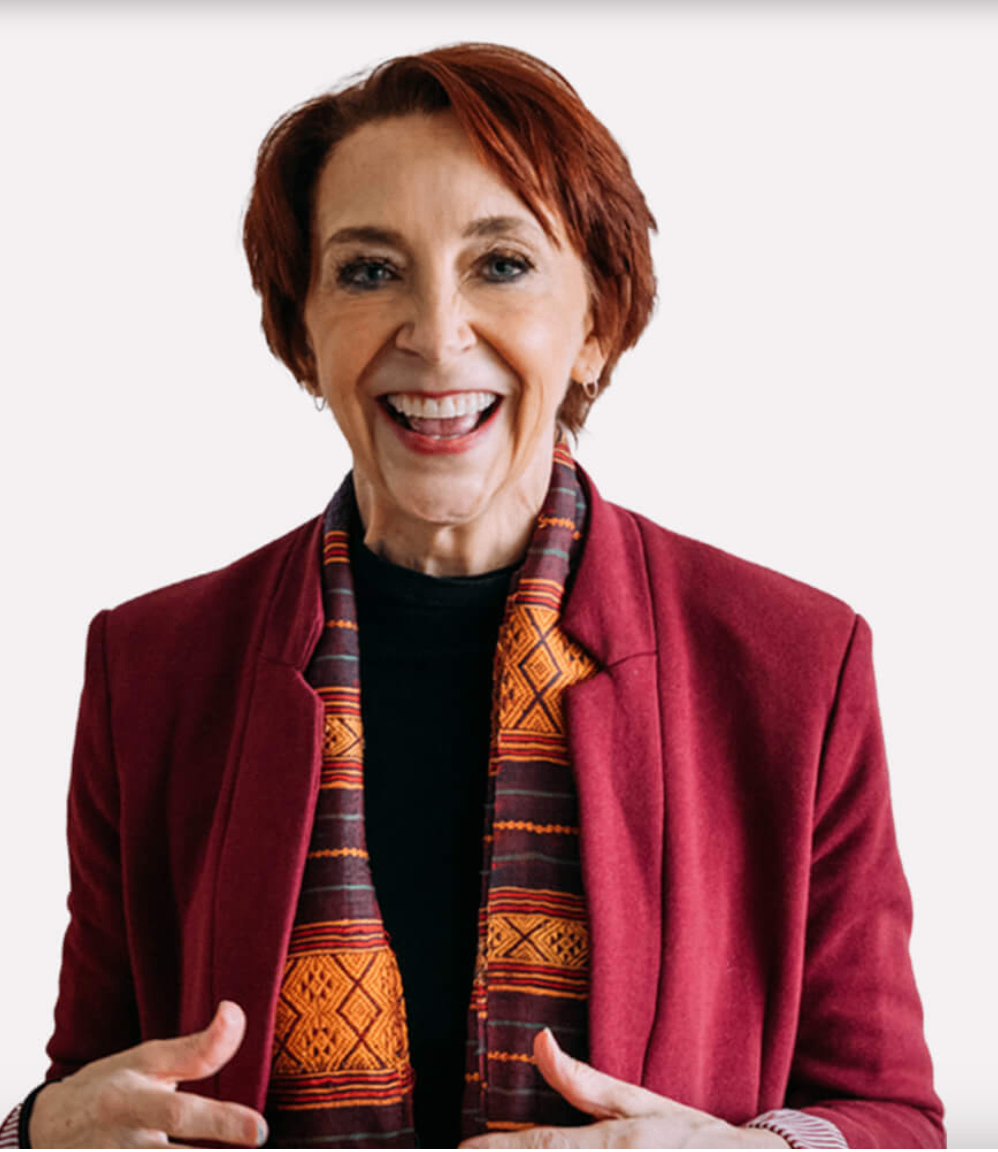
For example, Elena Brower has taught yoga and meditation since 1999, and runs retreats a few times a year that are usually rooted in one of her books and offer an intimate chance to study with her. She's a strong representation because the retreats monetize a warm audience she already built, rather than hoping a retreat creates demand from nothing.

10. The sacred brand or messaging strategist
Not every spiritual entrepreneur is a healer in the traditional sense. Some help mission-driven businesses say what they do more clearly. A brand strategist, copywriter, or marketing consultant might combine intuitive read with practical positioning.
This model is especially useful because it meets spiritual business owners right where they tend to struggle most, turning meaningful work into language clients can understand. Sacred Business speaks to that exact tension, which is why so many spiritually rooted founders need support that honors both the soul of the work and the strategy behind it.
Kaye Putnam is a strong example. She's a psychology-driven brand strategist who blends human behavior, Jungian archetypes, and her signature Clarity Code process to help entrepreneurs position their work. She's a strong representation because she meets people right where spiritual business owners struggle most, turning meaningful work into language clients understand.

11. The embodiment or movement facilitator
This founder might lead somatic coaching, dance-based healing, feminine embodiment work, or breath-led movement. The work is experiential, so trust and felt results sit at the center of any growth.
For the business to do well, the offer usually needs more than inspiring language. People need to know whether they're signing up for confidence, emotional release, body connection, leadership presence, or healing after stress. The experience can stay sacred while the promise gets clearer.
For example, Jenna Ward founded the School of Embodied Arts and its internationally recognized Feminine Embodiment Coaching certification, built on sensation-based, body-led practice. She's a strong representation because she made experiential work concrete enough to teach and sell, with a clear promise around what changes through it.
12. The community-centered spiritual leader
Some founders care less about individualized work or private sessions, and more about building spaces. They run memberships, circles, masterminds, or ongoing communities built around spiritual growth, healing, or conscious business.
This model creates recurring revenue and closer relationships, and it asks for consistency in return. Community businesses succeed when there's active facilitation, a real reason to stay, and a structure that supports belonging rather than just access.
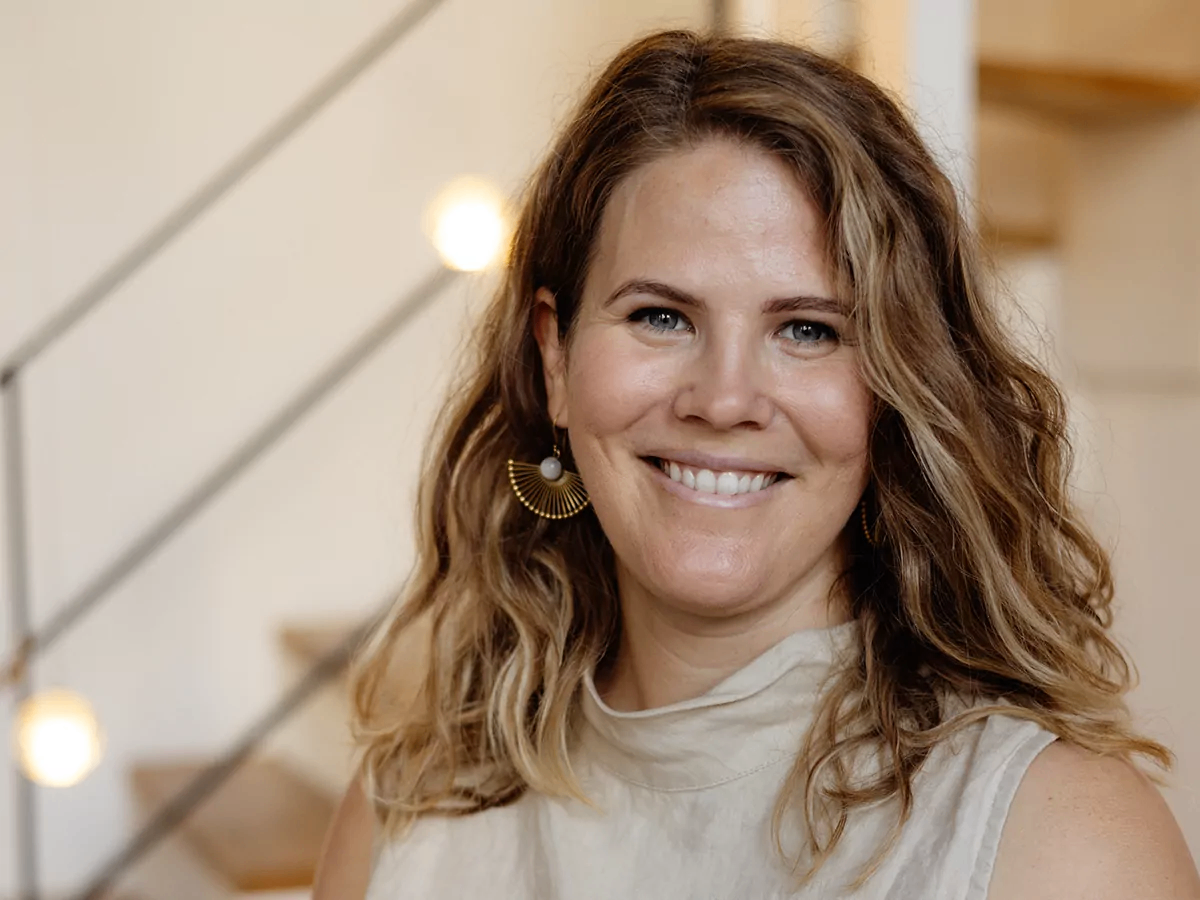
Lacy Phillips is a good one to call out for this category. Her company To Be Magnetic runs The Pathway, a membership with a private community that's reached over 100,000 people and earns seven figures a year. She's a strong representation because the model runs on recurring revenue, active facilitation, and a real reason for members to stay, which is what community businesses need to last.

What these examples have in common
Across all these spiritual entrepreneur examples, a few patterns show up. The work is never positioned as inspiration alone. It's tied to a real problem, a real change, or a real want.
The founder has usually made peace with the fact that clarity isn't a betrayal of spirituality. Clear offers, clear prices, and clear messaging are what let the work reach the people who need it.
And sustainability matters. A spiritual business that drains your energy, underprices your gifts, or runs entirely on inconsistency isn't more sacred because it's harder. Most of the time, devotion looks like structure.
How to choose the right example to learn from
Notice which model fits your natural strengths, your values, and the way you're actually meant to serve.
If you love working closely and one-on-one, a private practice might fit. If you're a teacher at heart, group programs or education might land better. If your energy comes alive in live rooms, retreats or community leadership could make sense. There's no single spiritual business model that wins. There's only the one that's honest about your capacity, your calling, and the kind of business you want to run.
It also helps to be straight with yourself about trade-offs. One-to-one work can be deeply fulfilling and limited by time. Courses can create leverage and usually need stronger marketing systems. Memberships can steady your revenue and ask for ongoing presence. Alignment isn't only about what sounds meaningful. It's also about what you can keep up.
A grounded way to think about your next step
If you're building a spiritual business, let these examples point to one thing for you. There's more than one valid way to do it well. You don't have to strip the soul out of your work to make it profitable. You do have to make the work clear, valuable, and structured enough that other people can trust it.
That's the real invitation. Honor what you're called to do, and give it a business model strong enough to carry it. That's the work Sacred Business Flow exists to help spiritual entrepreneurs build, so they can bring all of who they are forward instead of fragmenting themselves to succeed.